



Identity area
Reference code
Title
Date(s)
- M. 1866 - 1924 (Creation)
- H. 1283 - 1343 (Creation)
Level of description
Extent and medium
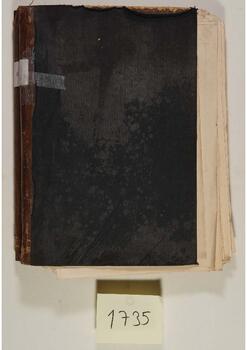
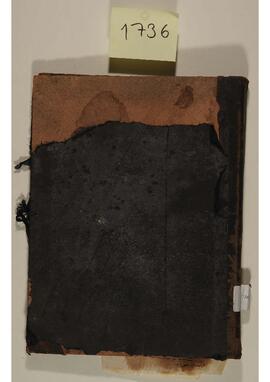
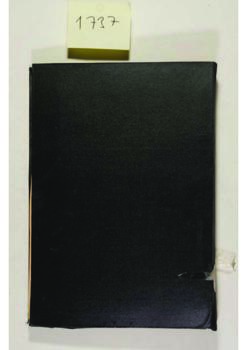
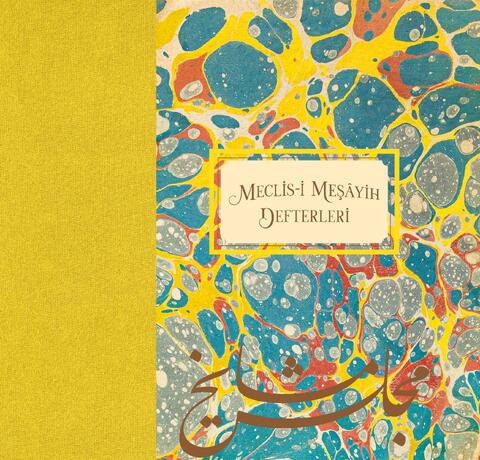
There are 54 ledgers belonging to the Meclis-i Meşâyih in the Meşihat Archive, which is affiliated with the Sheikh al-Islam.
Context area
Name of creator
Administrative history
The Council of the Sheikhs was an institution established in the Ottoman Empire to regulate the activities of Sufi orders and supervise tekkes and zawiyas. Founded in 1866 during the reign of Sultan Abdülaziz, this council operated under the authority of the Sheikh al-Islam and was a continuation of the centralization policies initiated during the reign of Mahmud II.
The most important duties of the council included granting licenses to Sufi sheikhs, appointing, promoting, and dismissing those working in tekkes and zawiyas, resolving disputes between Sufi orders, and regulating the functioning of these institutions. In this way, the Ottoman administration aimed to ensure that Sufi orders operated under direct state control.
The Meclis-i Meşâyih was headed by a minister appointed by the Sheikh al-Islam. Representatives from each order also sat on the council, and the decisions taken were submitted to the Sheikh al-Islam. Thanks to this arrangement, the orders continued to operate under state supervision while preserving their internal functioning.
The Meclis-i Meşâyih continued to exist until 1925, when tekkes and zawiyas were closed, and during this period, it contributed to the gathering of Sufi orders under a central authority in the final period of the Ottoman Empire. The most valuable documents providing information about the institution are the Meclis-i Meşâyih registers preserved in the Meşihat Archive. These registers contain records of decisions regarding appointments, promotions, and dismissals within the orders, along with various regulations. Therefore, they are important sources for both Ottoman Sufi history and bureaucratic history.
Institutionally, the Council was located in the Sheikh al-Islam complex, where the Istanbul Mufti's Office building stands today. The Meclis-i Meşâyih consisted of a meeting room, a pen room, and a break room. Built as a “Kütüb-i fıkh u fetâvâya mahal” (a place for books of jurisprudence and fatwas), this building also housed a library containing a rich collection of manuscripts and printed works on jurisprudence. Council members met regularly in this building and consulted the library resources when necessary.
Repository
Archival history
As a result of developments concerning tekkes in the 19th century, the Council of the Sheikhs was established in 1866 by order of Sultan Abdülaziz, thereby institutionalizing the state's administration and supervision of Sufi orders. From its establishment until 1868, the Council operated with five members consisting of sheikhs from the Kadiriyya, Halvetiyya, Sünbüliyya, Sa'diyya, and Naqshbandiyya Sufi orders. In 1874, a member from the Rifaiyya order was added, bringing the total number of members to six. Numerous records belonging to the Council were lost in a major fire in 1926; however, some ledgers and documents, the Council's plaque, and its seal have survived to the present day.
Immediate source of acquisition or transfer
Content and structure area
Scope and content
The Meşihat Archive, affiliated with the office of the Sheikh al-Islam in the Ottoman Empire, contains 54 registers and numerous documents belonging to the Council of the Sheikhs. The Council of the Sheikhs Registers document the Council's activities within the scholarly bureaucracy, including appointments, promotions, and dismissals within the Council's scholarly bureaucracy, the assessment of sheikhs' qualifications, complaints regarding sheikh appointments, requests from tekke officials, the requests and needs of dervishes residing in the tekke, differences in practices between orders, requests from tekke officials, and zikir-ayin procedures. The documents in the archive are an important source for understanding the structure of tekkes and orders during that period.
Appraisal, destruction and scheduling
Accruals
System of arrangement
Conditions of access and use area
Conditions governing access
Conditions governing reproduction
Language of material
Script of material
Language and script notes
Physical characteristics and technical requirements
Finding aids
Allied materials area
Existence and location of originals
Existence and location of copies
Related units of description
Notes area
Alternative identifier(s)
Access points
Place access points
Name access points
- Padişah Abdülaziz (Subject)
- Şeyhülislam Refik Efendi (Subject)
- Osman Selahaddin Dede (Subject)
- Mehmed Celaleddin Dede (Subject)
- Musa Kâzım Efendi (Subject)
- Hâsırîzâde Elif Efendi (Subject)
- Esad Erbilî (Subject)
- Ahmed Muhyiddin Efendi (Subject)
- Mustafa Saffet Yetkin (Subject)
- Ahmed Remzi Akyürek (Subject)
- Şeyh Vasfî (Subject)
- Mehmed Şemsettin Ulusoy (Subject)
Genre access points
Description control area
Description identifier
Institution identifier
Rules and/or conventions used
Status
Level of detail
Dates of creation revision deletion
Language(s)
Script(s)
Sources
Archivist's note
The transcription of the Meclis-i Meşayih registers was carried out by Ayhan Işık, Esra Yıldız, Nevzat Sağlam, Mustafa Erdemli, and Nedim Pakırdağ. The transcription was reviewed by Nevzat Sağlam, Mustafa Erdemli, Ayhan Işık, Osman Ezici, Nedim Pakırdağ, Esra Yıldız, Ömer Karadağ, Necati Döğüş, Kasım Hızlı, and Zafer Orha.